
A growing number of Americans are quietly asking a question they never thought they would: “Would my life be more stable somewhere else?”
This is not about politics. It is about pressure.
- Healthcare costs.
- Retirement uncertainty.
- Student loans that follow you for decades.
- An economy that feels unpredictable.
For some people, Europe is not an escape fantasy. It is a strategic alternative.
This guide breaks down what that really means — especially financially.
1. The Real Pain Points Driving the Conversation
Let’s be honest about what is pushing people to consider leaving.
Healthcare
Even with insurance, Americans deal with high deductibles, out-of-pocket costs, surprise billing, and employment-linked coverage. In most European countries, healthcare is either public, mandatory insurance-based, or heavily regulated. It is not perfect, but it is predictable. Predictability matters.
Retirement Anxiety (401(k) and IRA)
Most Americans’ retirement is tied to market performance. If markets fall, retirement plans shrink. That creates long-term uncertainty. Many people feel their future depends on forces they cannot control.
Student Loans
Student loans reduce mobility, delay home ownership, and delay savings. Living somewhere with lower living costs can create breathing room — even if income is slightly lower.
Cost of Living
Housing, childcare, insurance, transportation — in many U.S. cities, these costs are escalating faster than wages. This combination is what starts the conversation about Europe.
2. Why Europe Is Being Considered
Europe is not “better” in every way. But it offers structural differences that matter:
- Universal or regulated healthcare systems
- Mandatory paid leave
- Strong labor protections
- Public pension systems
- Predictable visa systems for skilled workers
Many countries in the EU actively recruit foreign professionals in areas such as: Healthcare, Engineering, IT, Skilled trades, Logistics, Manufacturing. For Americans with experience, this is not unrealistic. It is simply a different pathway.
3. What Happens to Your 401(k) or IRA If You Move?
This is where most Americans hesitate. Here is the simple answer: You do not lose your retirement accounts.
401(k)
Your 401(k) remains in the United States. You can: leave it where it is, roll it into an IRA, or continue managing it online. Relocating does not cancel it.
IRA (Traditional or Roth)
Your IRA also remains intact. You may still: keep it invested, potentially contribute (depending on income eligibility), and withdraw later under normal U.S. rules.
Taxes
As a U.S. citizen, you still file U.S. taxes even if you live abroad. However, there are mechanisms that often prevent double taxation: Foreign Earned Income Exclusion, Foreign Tax Credits, and tax treaties between the U.S. and certain European countries. This is where professional tax advice becomes important. But financially, moving does not mean abandoning your retirement structure. Many Americans live in Europe while maintaining U.S. investment accounts.
📌 Key takeaway
Your 401(k) and IRA stay yours. You don't lose them. You simply manage them from abroad.
4. Step-by-Step: What Relocating to Europe Actually Looks Like
This is not about buying a plane ticket. It is structured.
Step 1: Secure a Job With Work Authorization
You need a job offer that qualifies for a work permit. In most EU countries, that means: a formal employment contract, salary meeting minimum thresholds, and employer sponsorship. Without this, relocation is difficult.
Step 2: Apply for the Work Visa
Once you have a qualifying offer: your employer submits documentation, you submit personal documents, background checks may be required. Processing times vary (typically several weeks to a few months). Approval gives you legal entry and residency rights.
Step 3: Prepare Financially Before Leaving
Before relocation, you should: inform your U.S. financial institutions, maintain online access to brokerage accounts, understand tax obligations, and arrange initial housing. This stage determines whether your transition feels stable or chaotic.
Step 4: Arrival and Registration
In most European countries, you must: register your address, obtain a residency card, receive a tax identification number, and enroll in the national healthcare system. After this, you are fully integrated into the local system.
Step 5: Ongoing Financial Structure
You will: continue filing U.S. taxes annually, possibly contribute to a European pension system, possibly maintain U.S. investments, and report foreign accounts if required. Many Americans discover that even with slightly lower gross salaries, their disposable income feels more stable because healthcare and other social costs are regulated.
5. The Reality Check
Relocating is not simple. It requires: patience, documentation, cultural adaptation, and long-term planning. It is not for people looking for a quick fix. It is for people thinking long-term about stability.
6. Where IFMOSA Work Fits In
The hardest part is not the visa process. It is finding employers who: actually sponsor visas, meet salary thresholds, are open to international hires, and respond directly. Most job boards do not filter for that clearly.
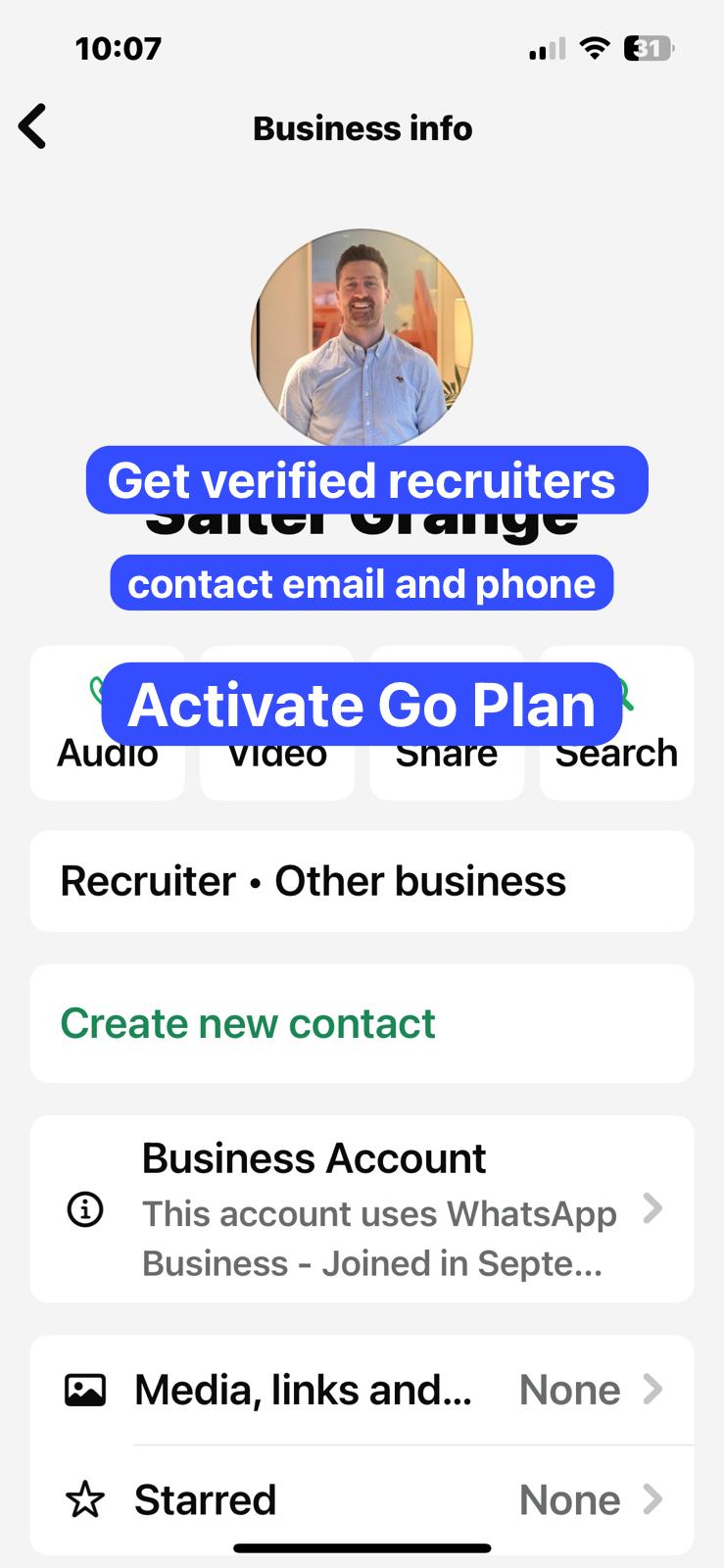
IFMOSA Work positions itself as a platform focused on: visa-sponsored roles, direct employer contact, international hiring pathways, and reduced guesswork. For Americans considering Europe, the value is not emotional messaging. It is access to verified opportunities. Relocation only works if the job offer is real.
📞 Ready to explore real options?
With a Go Plan you get direct WhatsApp & email contacts of verified employers hiring Americans for European roles.
🔥 ACTIVATE GO PLAN VIEW ALL JOBSNo middlemen. No agencies. Direct recruiter access.
Final Thoughts
You do not lose: your 401(k), your IRA, your U.S. citizenship, your financial history. You are not abandoning your future. You are potentially restructuring it.
Europe is not an escape. It is an alternative system. For some Americans, that alternative makes sense. For others, it will not. The important thing is understanding the process clearly before making a decision.
❓ Frequently Asked Questions
✈️ Ready to explore your options?
START WITH GO PLAN → BROWSE JOBSNo commitment required. View real employer contacts and visa-sponsored opportunities in Europe.